
The Raffinement-et-Habitat simulator allows you to test combinations of coverings, colors, and furniture on a photo of your own interior. The question arises: how to go beyond mere visual play to produce a document usable by a craftsman or an architect? These five tips each target a specific step, from choosing materials to delivering the final rendering to a professional.
1. Link each simulated material to a real product reference

Most decor simulators offer generic textures. Raffinement-et-Habitat stands out by progressively integrating product ranges linked to partner distributors, particularly in the areas of flooring, tiles, and wall coverings. When you test a light oak laminate floor, the rendering may correspond to a reference available at a DIY store.
Before validating a rendering, always check if the displayed material links to a distributor’s sheet. If it does, note the exact reference. A craftsman who receives a visual accompanied by a product code and a point of sale saves time on estimating, and you avoid discrepancies between the simulated color and the material actually installed.
To use the Raffinement-et-Habitat decor simulator this way, start with the most expensive surfaces (floor, countertop, backsplash), then move down to secondary finishes.
2. Photograph the room with neutral lighting for a reliable rendering
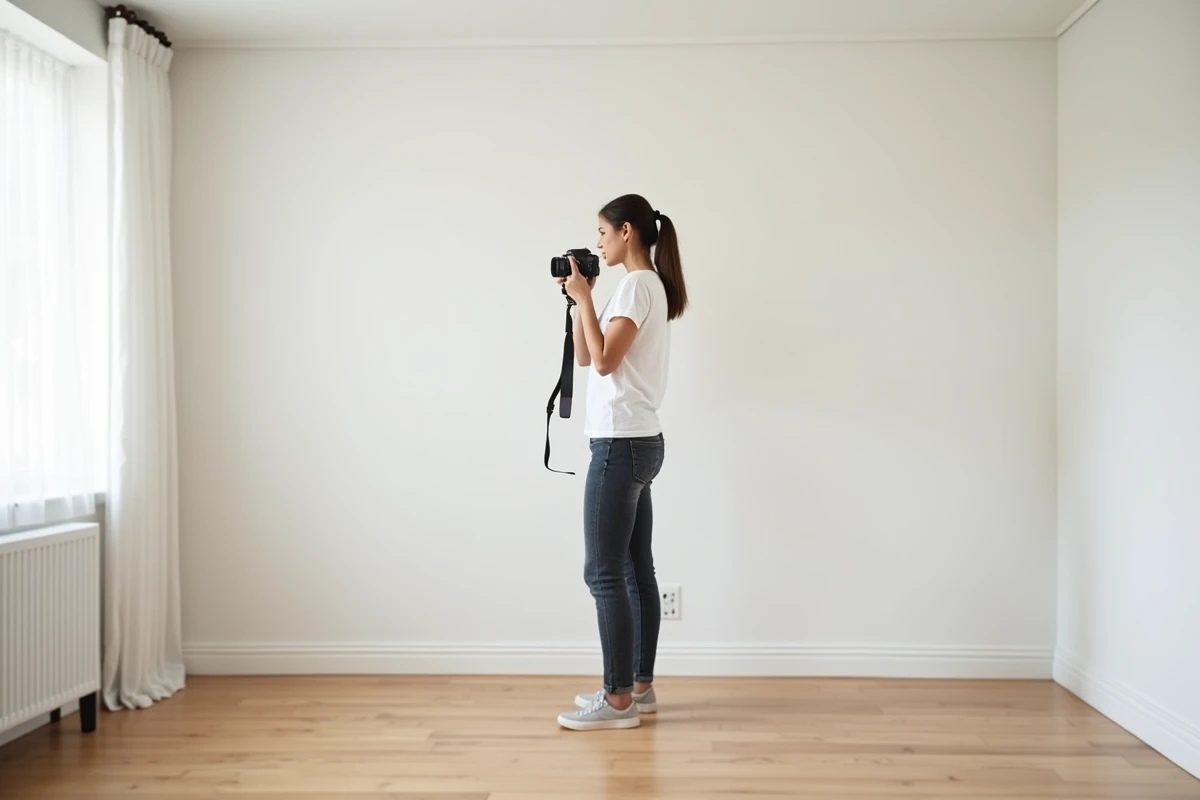
The quality of the rendering directly depends on the imported photo. A shot taken with warm artificial light distorts the colors of the walls and floor. The simulator then overlays materials on a chromatically biased base, making the result unusable for comparing two paint colors or two types of wood.
Prefer a shot in diffuse natural light, ideally in the middle of the day with an overcast sky. Turn off any lamps. Frame the room from an angle that shows at least two walls and the floor, so the simulator has enough surfaces to dress.
A rendering made on a well-exposed photo is closer to the final result than a montage on an overexposed or halogen-tinted shot. This point may seem basic, but it determines the reliability of all subsequent steps.
3. Create a visual brief usable by an interior architect

The simulator produces renderings that show colors, textures, and furniture arrangement. For a professional to use it as a working document, you need to add the technical information missing from the visual.
Export the rendering, then annotate it with the following data:
- Ceiling height and approximate dimensions of each visible wall, measured with a tape measure
- Location of existing electrical outlets, switches, and water inlets
- Product references of the materials chosen in the simulator (flooring, tiles, paint)
- Non-visible constraints: humidity in the bathroom, sun exposure, frequent foot traffic on the floor
This document becomes a ready-to-use visual brief that replaces the often imprecise oral description. The architect or craftsman visualizes the expected result and immediately identifies the technical points to validate before the work begins.
4. Test bathroom finishes with humidity constraints
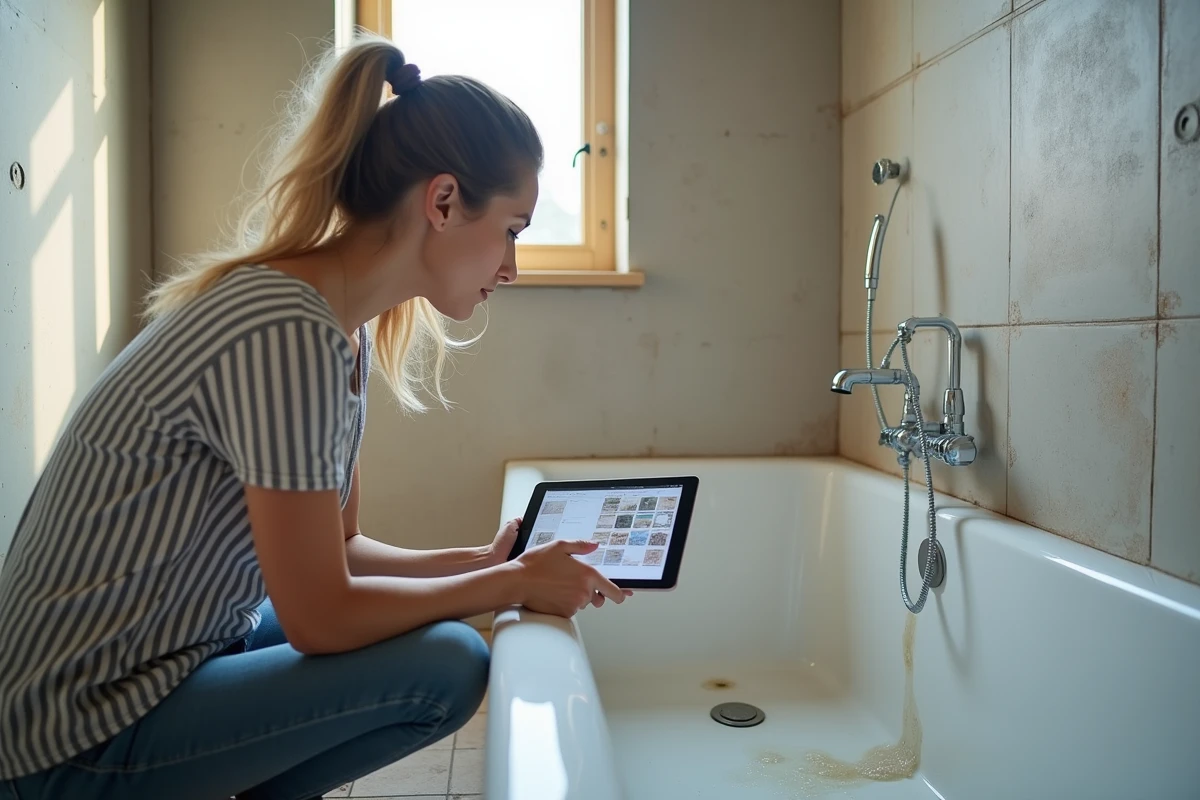
The bathroom concentrates the most costly choice errors. An attractive wall tile in simulation may prove unsuitable in a water projection area if its absorption coefficient is too high. The simulator displays aesthetics, not standards.
When simulating a bathroom project, always cross-check the rendering with the technical specifications of the material. For the floor, check slip resistance. For walls in direct contact with the shower, a low-porosity ceramic tile remains the safest choice.
| Zone | Main Constraint | Type of Finish to Favor |
|---|---|---|
| Shower / bathtub floor | Slipping, water stagnation | Non-slip tiles, ceramic |
| Wet area walls | Sprays, steam | Low-porosity tiles, waterproof panels |
| Non-projection walls | Occasional condensation | Waterproof paint, waxed plaster |
| Ceiling | Rising steam | Anti-humidity paint, PVC paneling |
By overlaying the simulator’s rendering and this constraints table, you provide the craftsman with a file that anticipates problems instead of discovering them after installation.
5. Compare several wall color scenarios on the same shot

The simulator allows you to save multiple versions of the same room. Use this feature to create three to four wall color scenarios, changing only one parameter at a time: the wall hue, while keeping the rest of the room identical.
This method of isolating a variable produces a direct comparison without visual bias. If you change both the floor and the walls simultaneously, you won’t know which of the two elements creates the impression of brightness or narrowness. By only altering the walls, the impact of each hue becomes clear.
Place the renderings side by side before making a choice. A sage green that appears soft on a phone screen may saturate the room on a calibrated screen. Send the variants to the painting contractor: they can confirm the rendering based on the type of substrate (plaster, concrete, existing wallpaper) and adjust the finish (matte, satin) to achieve the hue seen on the screen in reality.
The Raffinement-et-Habitat simulator truly shines when the rendering leaves the application to enter into a concrete exchange with a professional. An annotated visual, verified product references, and technical constraints laid out in the document transform a decor simulation into the first milestone of a realistic renovation project.