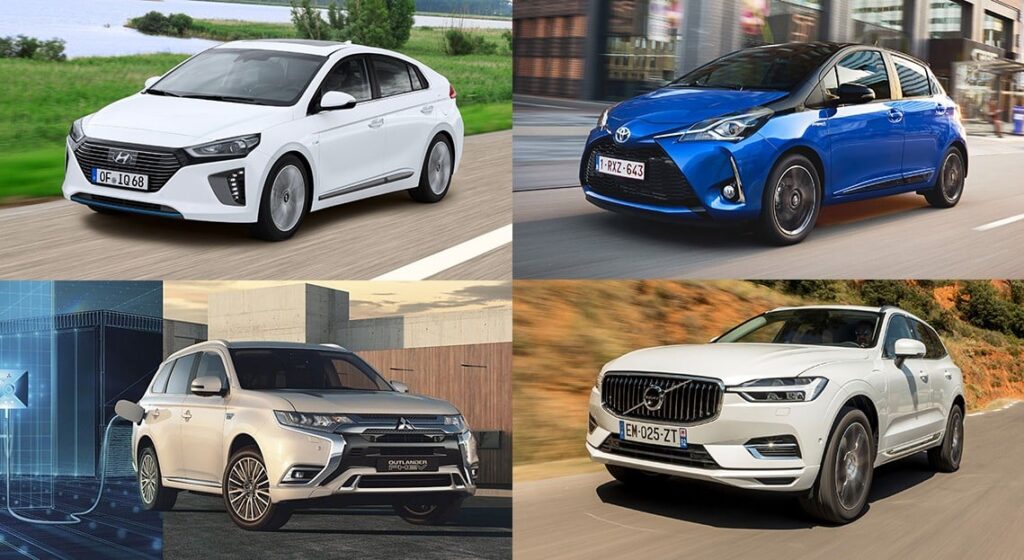
Many voices are rising to call for a cleaner world. Through the campaign “Make our planet great again,” many governments around the world have committed to working significantly to reduce the amount of greenhouse gases produced. The automotive sector, which alone represents 20% of these emissions, is in the dock. Thus, the sector is innovating, and new car models have emerged. They are cleaner and more economical. What are these models, and what sets them apart from existing ones?
Electric, Hybrid, and Plug-in
Although increasingly used for several years now, electric and hybrid vehicles remain relatively unknown to the general public. Yet, their sales are skyrocketing. Many experts see it as a sector with a prosperous future.
Electric Vehicles
An electric car does not have a combustion engine or a fuel tank. Instead, it is equipped with a electric motor paired with a battery. This battery provides the vehicle’s range and varies by model. Generally, it can cover several hundred kilometers. Many research efforts are underway to equip future cars with greater autonomy. Charging is done via public charging stations or at home.
Hybrid Vehicles
Hybrids are combinations of gas/diesel and electric. A small battery is added to their combustion engine. The electric side only operates when the vehicle is at very low speeds. It is especially useful for traffic jams. As soon as the vehicle accelerates, the combustion engine takes over. The electric motor is recharged through an ingenious system. During braking, energy is produced, which is captured and converted into electrical energy to power the battery. Sales of hybrid vehicles are on the rise. They are indeed very popular due to their alternative combination of electric and thermal power.
Plug-in Vehicles
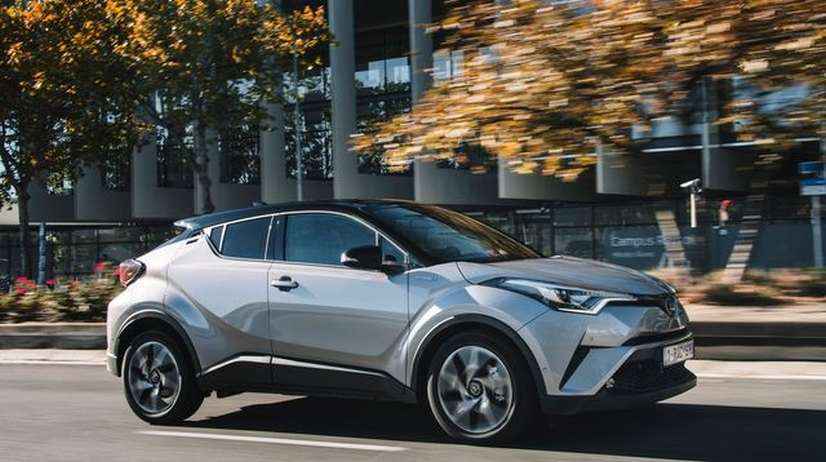
They have almost the same characteristics as hybrid models. The difference lies in the two motors. In the case of a plug-in, the electric motor has a greater range. Thus, when the battery runs low, the combustion engine serves as a recharge for the electric motor.
Choosing Electric Cars is Choosing the Future
Electric models or their combination with fuel are primarily designed to make our environment healthier. To support the transition to greener cars, the government offers a purchase bonus of at least €6000.
Electric cars are cleaner because they emit no CO2. Their maintenance and operating costs are relatively low compared to thermal vehicles. It is estimated at €2/100km for electricity versus €8.5/100km for diesel. They are therefore very economical. Gone are the days of testing; many more autonomous and refined models like the Nissan LEAF are now on the market. Once scarce, public charging stations are dramatically increasing in number. Today, there are said to be as many as gas stations.