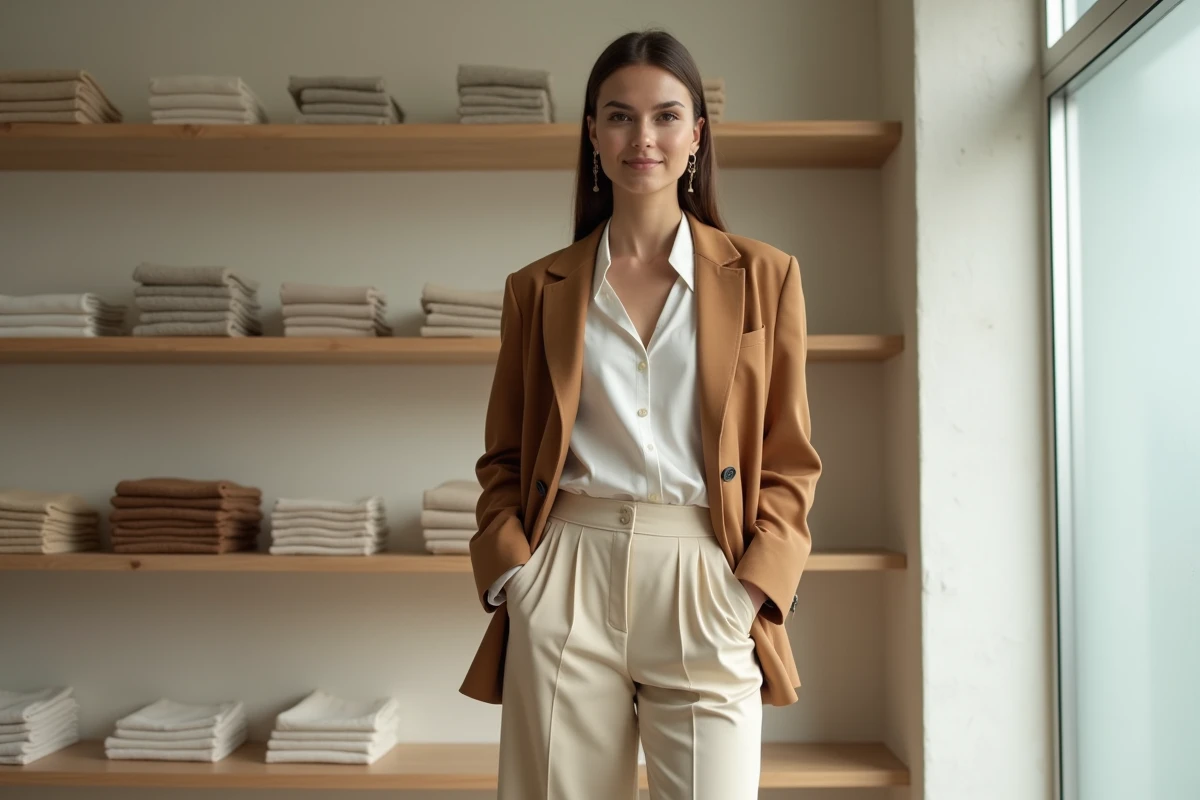
When looking to refresh your wardrobe without accumulating unnecessary pieces, the first instinct is often to scroll for hours on platforms saturated with fleeting promotions. The problem is that most online fashion selections pile on micro-trends without any filter. Selections that focus on pieces capable of lasting through multiple seasons take the opposite approach.
Sustainable textiles and digital passport: what’s changing in collections
Before discussing cuts or colors, we need to look at what’s happening upstream of the collections. The European regulation on ecodesign (ESPR), adopted by the EU Council on May 27, 2024, imposes new requirements on textile brands: sustainability, reparability, and a ban on destroying unsold items.
In practice, this means that product sheets will evolve. A digital product passport will accompany each garment, detailing its composition, origin, and estimated lifespan. For us, on the purchasing side, it’s an additional reading filter.
Brands that anticipate this regulation are already reformulating their collections. We see lines appearing with denser weights, reinforced seams, and certified dyes. This is no longer just talk; it’s a legal constraint that modifies the product itself. The new arrivals showcased on the fashion section on Eleganzia illustrate this evolution by prioritizing pieces designed to last.
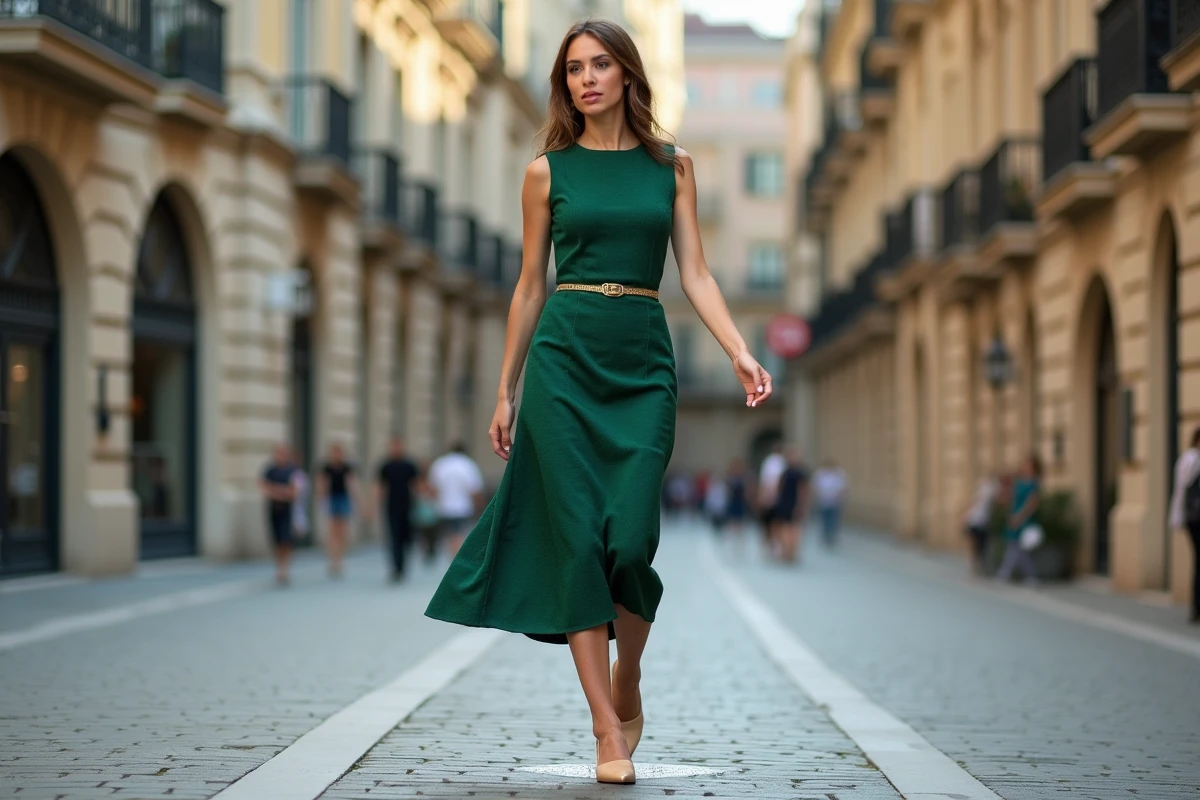
Quiet luxury and old money wardrobe: codes to adapt daily
Google searches around “quiet luxury” and “old money style” have steadily increased in France since mid-2023, with a notable peak around the 2024 fashion weeks. This is not a passing fad: chic discretion is gradually replacing visible logos as a style marker.
Specifically, we’re talking about pieces with no apparent branding, made from noble materials (cashmere, merino wool, thick cotton), with fitted but not tight cuts. The typical wardrobe includes:
- A straight blazer in wool or linen, without pronounced shoulder pads, that works equally well with jeans or tailored trousers
- Solid knits with round or V-necks, in neutral tones (ecru, camel, heather gray), worn alone or layered
- Discreet accessories, full-grain leather, brushed metal buckles, no rhinestones or monograms
A common mistake is to interpret quiet luxury as a bland wardrobe. This is not the case. The difference lies in the quality of the fabric and the precision of the cut, not in the absence of personality.
Adapting these codes without blowing your budget
Not everyone can afford to dress in all cashmere. The right approach is to invest in two or three key pieces (a good blazer, well-cut trousers) and to complement them with accessible basics. The effect relies on the coherence of proportions, not on the unit price of each garment.
GRWM formats and the influence of social media on clothing choices
“Get ready with me” (GRWM) content on TikTok has become one of the most consumed sources of fashion inspiration. According to a TikTok for Business report published in 2024, these short formats dictate the combinations of pieces that shoppers then replicate.
This phenomenon is changing the way we discover trends. We no longer flip through a static lookbook. We watch someone assemble an outfit in real-time, with accessible pieces, in a concrete context (office, outing, weekend).
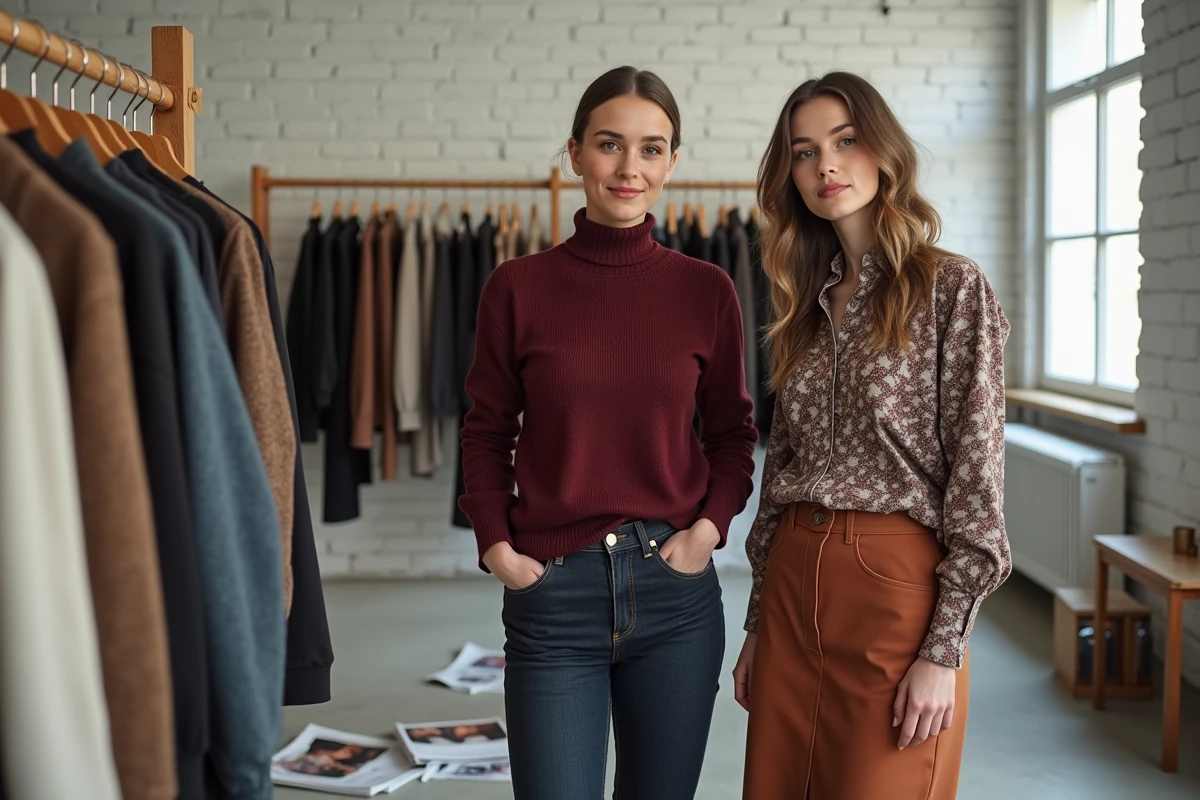
For an online fashion section, this means showing clothes in context, not just against a white background. Feedback on this point varies across platforms, but product sheets that include worn visuals generate significantly higher engagement.
What this changes in the selection of pieces
A piece that works in GRWM is an easy-to-combine piece. Clothing that is too specific or tied to a single occasion quickly disappears from rotations. What lasts are versatile pieces that adapt to at least three different contexts.
Colors and materials that are here to stay
Rather than listing all the colors seen on the runways, let’s focus on what has truly broken into everyday wardrobes. Two directions are confirmed:
- Butter tones and warm beiges, worn in total looks or paired with off-white, replace the cold beige of previous seasons
- Washed blues and terracotta shades, used on linen or textured cotton pieces, add depth without overwhelming the silhouette
- Black remains omnipresent, but worked in matte materials (crepe, brushed cotton) rather than shiny synthetics
On the materials side, linen and heavy cotton are gaining ground over polyester, partly due to the new regulatory constraints mentioned earlier. Brands that publish their complete compositions stand out from those that remain vague about the origin of their fibers.
Avoiding the pitfalls of seasonal impulse buying
A trendy color does not justify a purchase if the piece does not fit into what you already own. Before splurging on a butter yellow pair of pants, check that you have at least three tops in your wardrobe that work with it. A successful fashion purchase is measured by the number of outfits it unlocks, not by its novelty.
The most useful fashion sections are those that help with this sorting, offering concrete combinations rather than just a simple showcase of new items. It’s this practical filter that distinguishes an editorial selection from a promotional catalog.