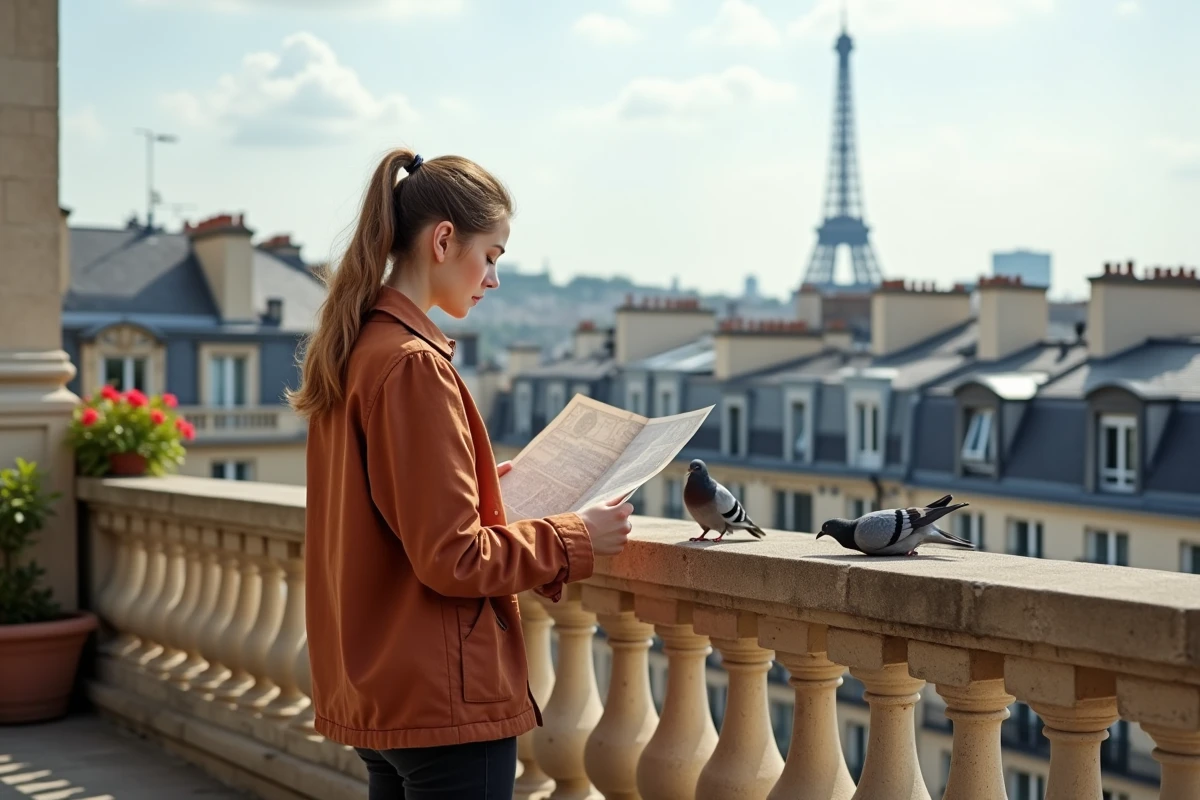
Paris attracts massive attendance every year along the same routes: Eiffel Tower, Champs-Élysées, Louvre, Sacré-Cœur. This concentration creates a blind spot for everything happening outside these areas, including in central neighborhoods. Discovering Paris differently means being interested in an offer that has significantly diversified in recent years, with the emergence of outing formats that did not exist five years ago.
Immersive Experiences in Paris: A New Take on Evenings
Since 2023, Paris has seen a wave of permanent venues dedicated to immersive experiences. Paradox Museum, Museum of Illusion, Virtual Room, The Gate VR, Batman Escape, Aura Film: these places often operate in the evening and position themselves as alternatives to traditional cinema or bar outings.
The phenomenon goes beyond mere curiosity. These venues rely on virtual reality, interactive treasure hunts, or optical illusions, targeting both Parisian residents and visitors. Their common point: a calibrated visit duration (generally less than two hours) and a format designed to be shared on social media.
The addresses listed on parisblogged.fr allow you to locate these spots by neighborhood and type of activity, avoiding the frustration of facing an endless list without geographical filtering.
What distinguishes this trend from the old “unusual places” (catacombs, covered passages) is the participatory dimension. The visitor is no longer a spectator of a decor: they interact, solve, explore. The economic model is based on online booking with time slots, which limits waiting lines.
Walks and Guided Tours Outside the Tourist Circuits of Paris
Guided tours in Paris are no longer limited to the Montmartre-Marais-Saint-Germain routes. Organizations like Explore Paris offer thematic itineraries that traverse neighborhoods rarely covered by mainstream guides.
The interest of these walks lies in their narrative angle. A tour can focus on the Art Nouveau architecture of a single arrondissement, on the traces of street art in the Tuileries tunnel, or on the industrial history of northeastern Paris. The thematic format replaces the geographical overview.
For residents, this type of outing serves as a renewal of perspective on the city. Field feedback diverges on the ideal duration: some three-hour routes suit history enthusiasts, while shorter formats (one hour and thirty minutes) attract families or groups of friends looking for a weekend activity.
What Classic Tours Don’t Cover
Several Parisian curiosities documented by tourist offices remain unknown to the general public:
- The Lavirotte building, on Avenue Rapp in the 7th arrondissement, is a major example of Art Nouveau architecture, with a sculpted façade that surprises even Parisians who pass by regularly.
- The oldest public clock in Paris, on the Clock Tower at the Palais de la Cité, has been functioning since the 14th century and goes unnoticed next to the nearby Sainte-Chapelle.
- The false façades of the RATP, these trompe-l’œil buildings that conceal metro ventilation shafts, are scattered across several arrondissements without any particular signage.
- The Point Zero of the roads of France, sealed in the forecourt of Notre-Dame, is a geographical landmark that the majority of visitors trample without noticing.
Good Deals in Paris: Greater Paris as a Discovery Ground
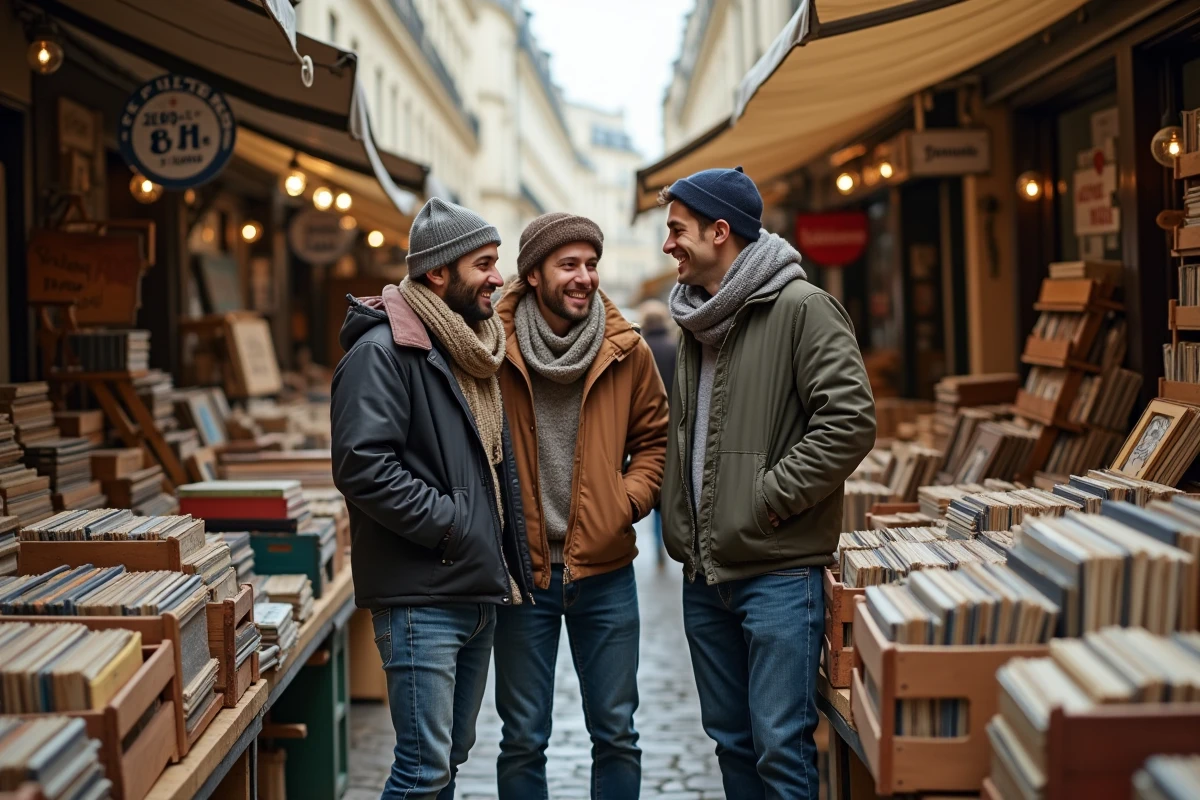
A little-exploited angle in “Paris differently” content concerns the extension of good deals beyond the périphérique. Several leisure complexes, art workshops, and parks are located in the first ring and are now included in the recommendations of specialized Parisian sites.
This trend is explained by simple constraints: lower rents allowing for larger spaces, accessibility by metro or tram, and less saturation on weekends. However, information remains fragmented. No aggregator centralizes these addresses exhaustively, forcing one to cross-reference multiple sources.
The Segment of Parisians Seeking Renewal
Programs like “one day, one good deal” circulating on social media explicitly target young adults living in Paris. The principle: a calendar structured by day with ideas oriented towards daily life, not just tourism.
Cooking workshops, ceramics classes, outdoor drawing sessions in a park, tastings in neighborhood wine cellars: these activities do not appear in traditional tourist guides. They respond to a demand for proximity and a weekly rhythm, far from the “checklist of places” model.
Museums and Workshops in Paris: Addresses That Change Each Season
The Parisian cultural fabric is renewing at a pace difficult to keep up with for editorial content. Galleries open and close within months in the Haut-Marais, shared workshops settle in former artisan premises in the 11th or 20th arrondissement.
Temporary exhibitions are the real lever for discovery for those who already know the permanent collections of major museums. The Palais de Tokyo, the Gaîté Lyrique, or the 104 in Aubervilliers schedule installations that justify repeated visits within the same year.
For participatory workshops (pottery, engraving, bookbinding), the trend is towards online booking by time slot, with short formats suitable for beginners. This segment has seen notable acceleration, driven by the search for manual activities as a counterpoint to screens.
The Parisian offer in terms of alternative outings remains broader than what search engines display on the first page. The challenge is not finding addresses, but sorting those worth the trip among a mass of often redundant recommendations. Cross-referencing recent feedback, checking updated hours, and prioritizing neighborhoods that one does not yet know remain the most reliable methods for renewing one’s experience of the capital.